EFR Course

Primary & Secondary Care. Learn crucial CPR and first-aid skills applicable to everyday emergencies.
Duration

1 Day

Max Depth

N/A

Min Age

10 Years Old

Dives

None

Pool Sessions

None

Price

From R2,800

Course Overview

Learn Skills That Can Make a Difference

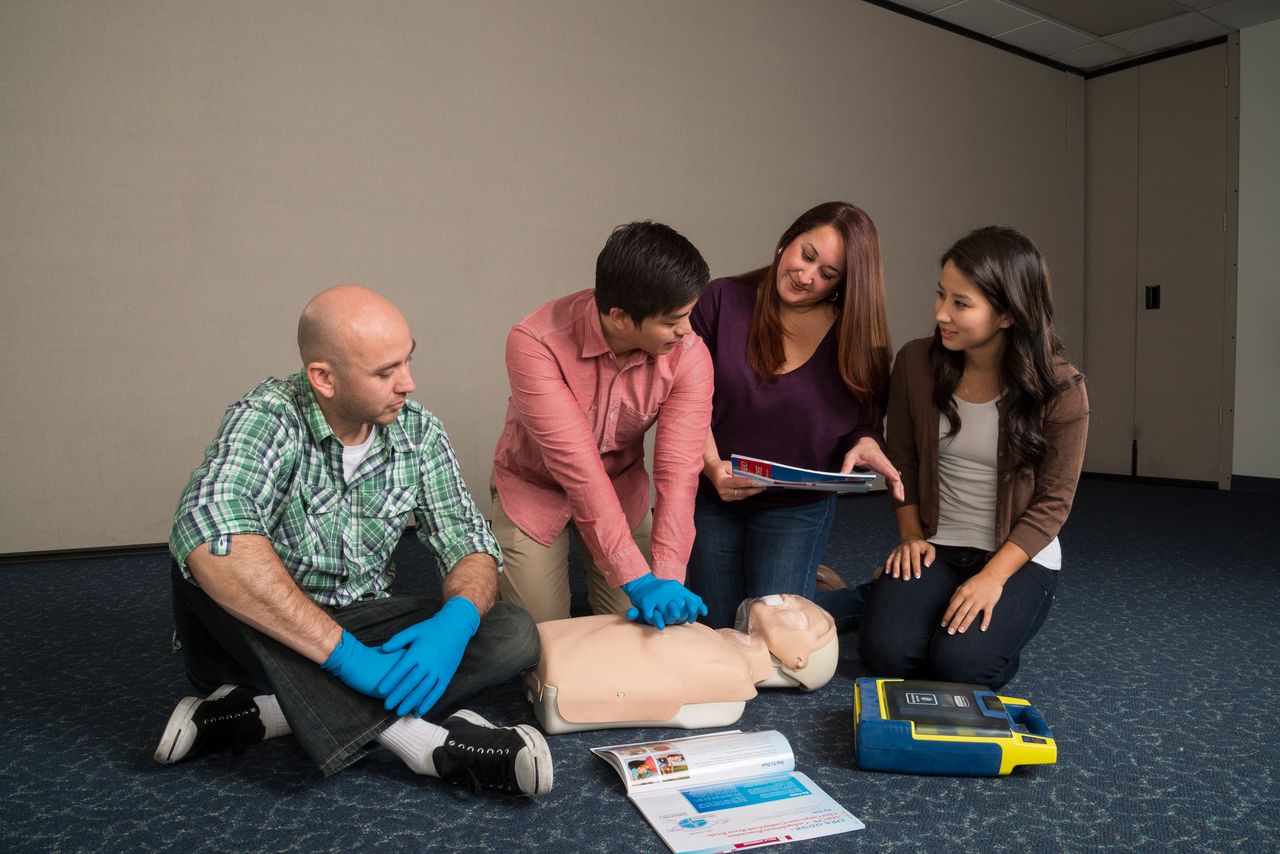
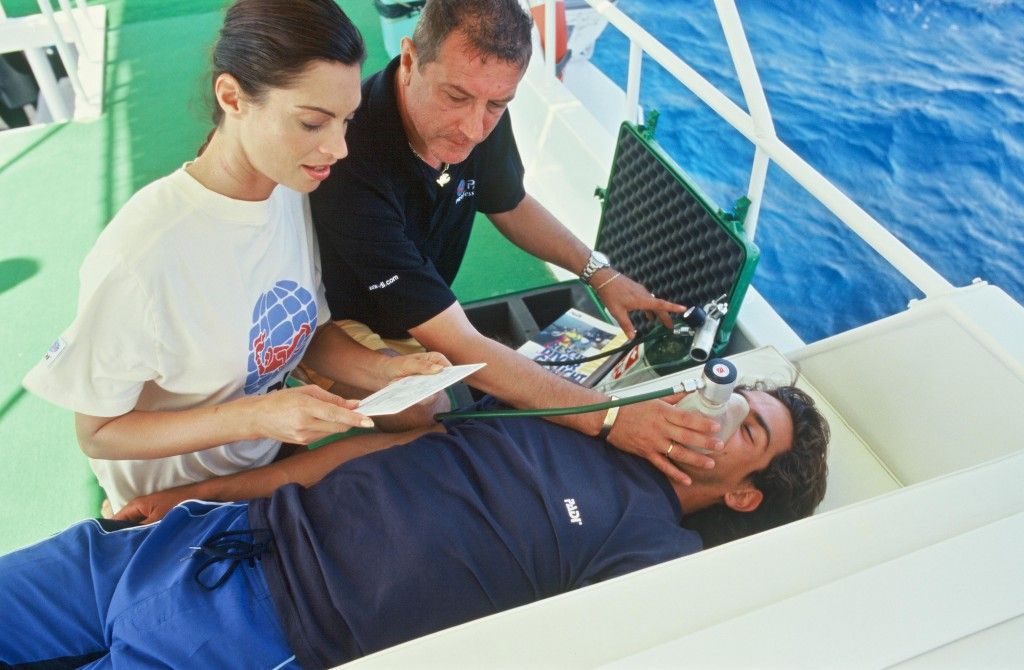
What do you do when you are on a scuba dive and one of your companions suffers a heart attack, or is involved in a dive accident and ends up bleeding profusely?  By knowing and applying some basic first aid skills when something happens while scuba diving, you can potentially save someone’s life.

The EFR (Emergency First Response) teaches you the basics in First Aid. Although this is not exclusively for scuba diving it will however be of immense value to any diver who wants to be able to react appropriately to emergencies that may arise while scuba diving. It is essential for the scuba diver that wants to take the next step in obtaining his Rescue Diver Certification.

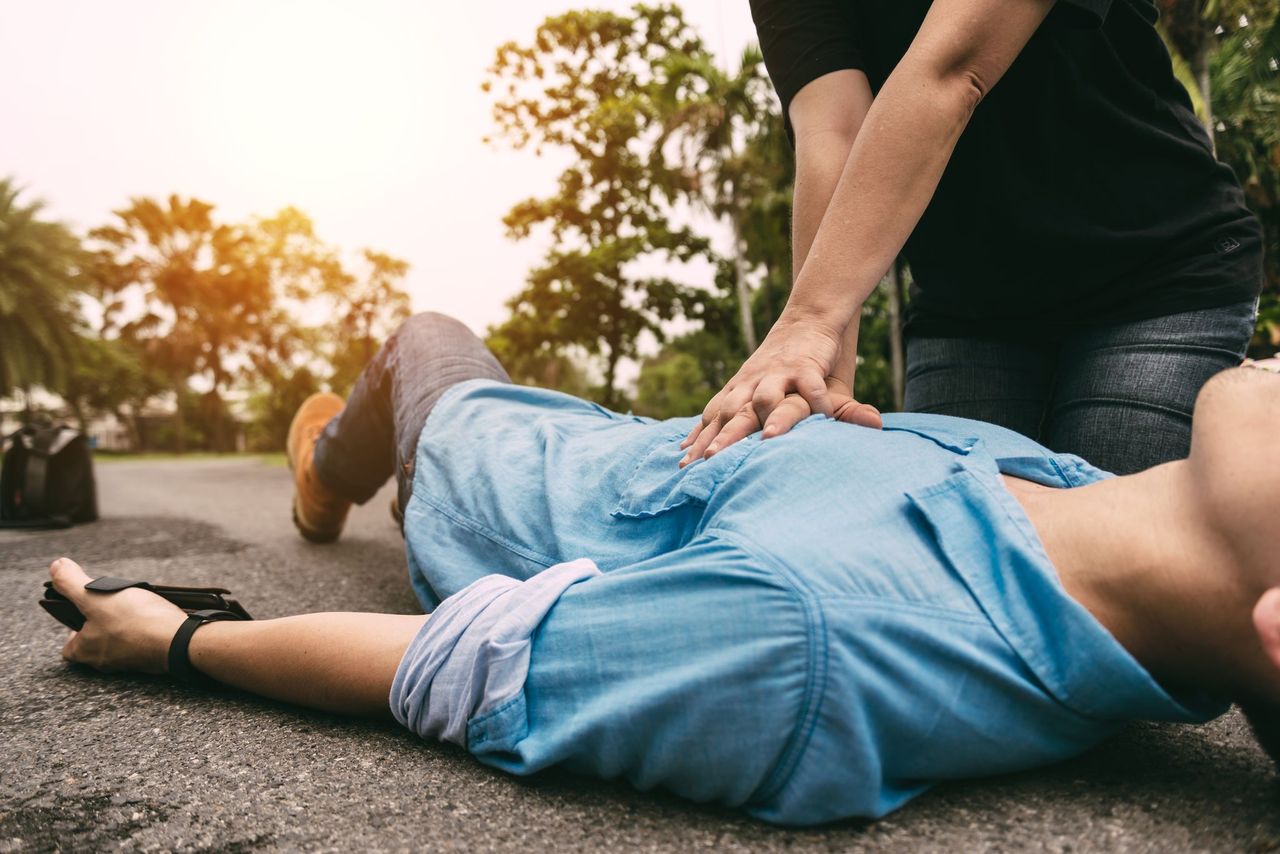
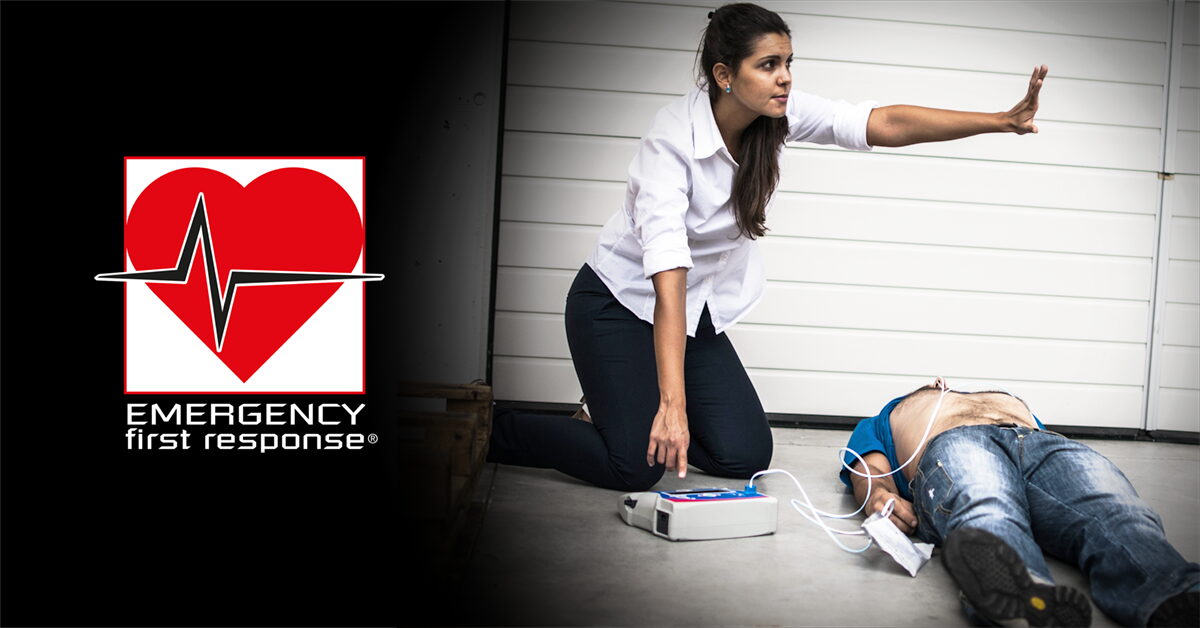
Responder performing CPR on a casualty outdoors
Why Choose Us
Check mark icon
Free pick-up from hotel (central city area)
Award ribbon icon
Both PADI & TripAdvisor certificates of excellence won
Group of people icon
Best dive instructors & dive masters
Shield icon
Good quality well maintained scuba equipment
Heartbeat icon
Strong emphasis on safety & quality
Cape Town Tourism member, PADI 5 Star Instructor Development Centre and TripAdvisor Certificate of Excellence badges
Pricing

OUR TRAINING PHILOSOPHY: Don’t train until you get it right, train until you can’t get it wrong.

Included in this price: EFR Online theory pack, Tuition, Registration as a First Aid provider.
From R2,800

Possible Upgrades

PADI Rescue Diver. The natural next step for certified divers, combining your first aid skills with practical diver rescue, emergency management and in water rescue techniques. Into the Blue lists EFR as an essential step toward Rescue Diver.

Prerequisites

10 Years Old
Cirriculum

What You'll Learn

Open book icon
EFR THEORY & KNOWLEDGE
Learn the essential principles of emergency first aid, CPR, and responding to life threatening situations through structured knowledge development and practical training.
Star icon
CPR & EMERGENCY RESPONSE
Learn how to recognise cardiac emergencies and practise CPR and other essential emergency response techniques designed to help provide immediate assistance when it matters most.
Heartbeat icon
FIRST AID SKILLS
Develop practical first aid skills for responding to common injuries and medical emergencies, including bleeding, shock, burns, and other situations requiring immediate care.
Group of people icon
EMERGENCY ASSESSMENT
Learn how to assess an emergency, identify potentially life threatening conditions, and determine the appropriate response while maintaining your own safety.
Sliders icon
PRACTICAL FIRST AID TRAINING
Put your knowledge into practice through hands on scenarios and skills training. Build confidence responding to emergencies in a controlled learning environment.
Toolbox icon
EMERGENCY RESPONSE CONFIDENCE
Develop the knowledge, skills, and confidence to respond calmly and effectively in an emergency until professional medical assistance is available.

The Course Structure

Day 1
Theory
Knowledge development this takes roughly 2-4 hours online to ensure you have the knowledge for your practical application
Day 1
Primary Care
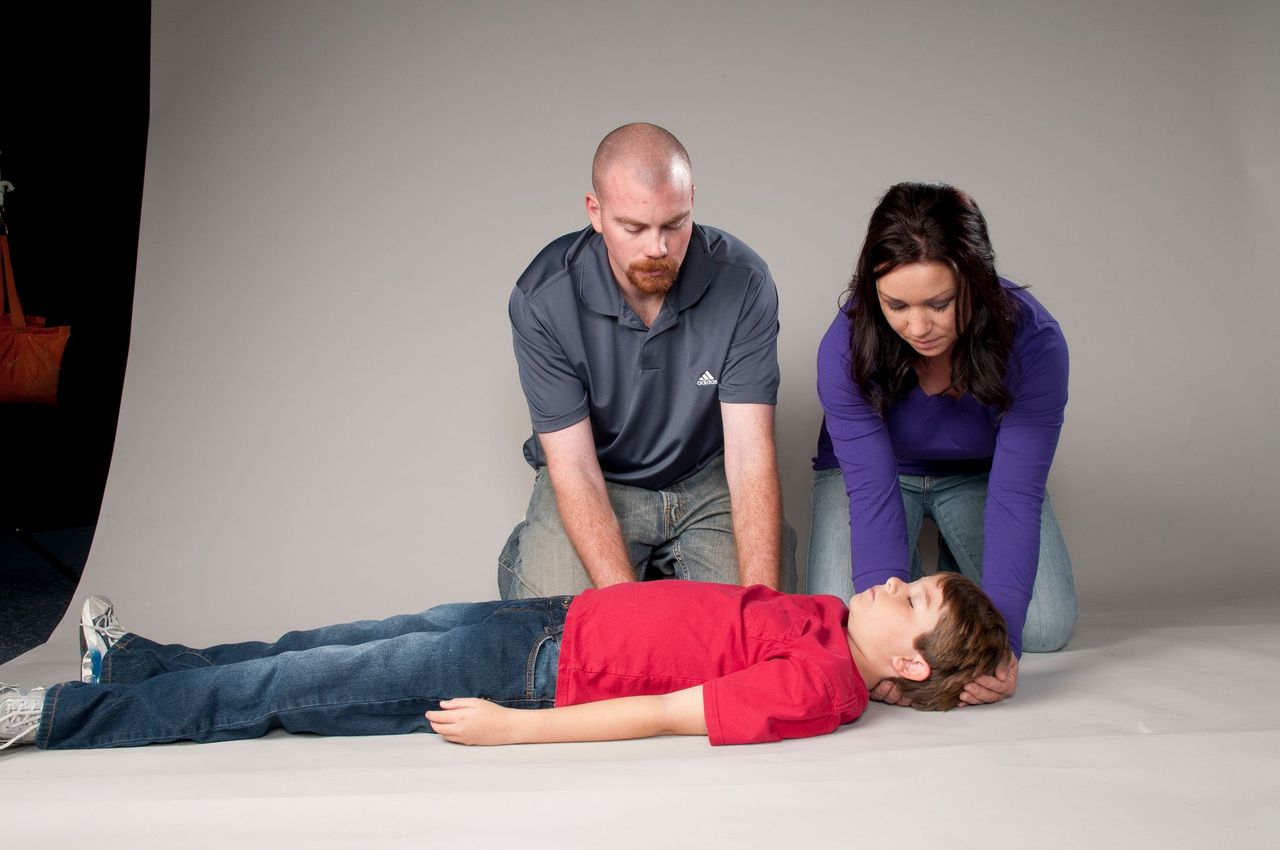
Develop practical emergency response skills covering scene safety, primary assessments, CPR, rescue breathing, AED use, and obstructed airway management. You’ll also learn how to provide care for conscious and unconscious patients, manage serious bleeding and shock, respond to potential spinal injuries, use barrier protection, and gain an introduction to emergency oxygen use.
Day 1
Secondary Care
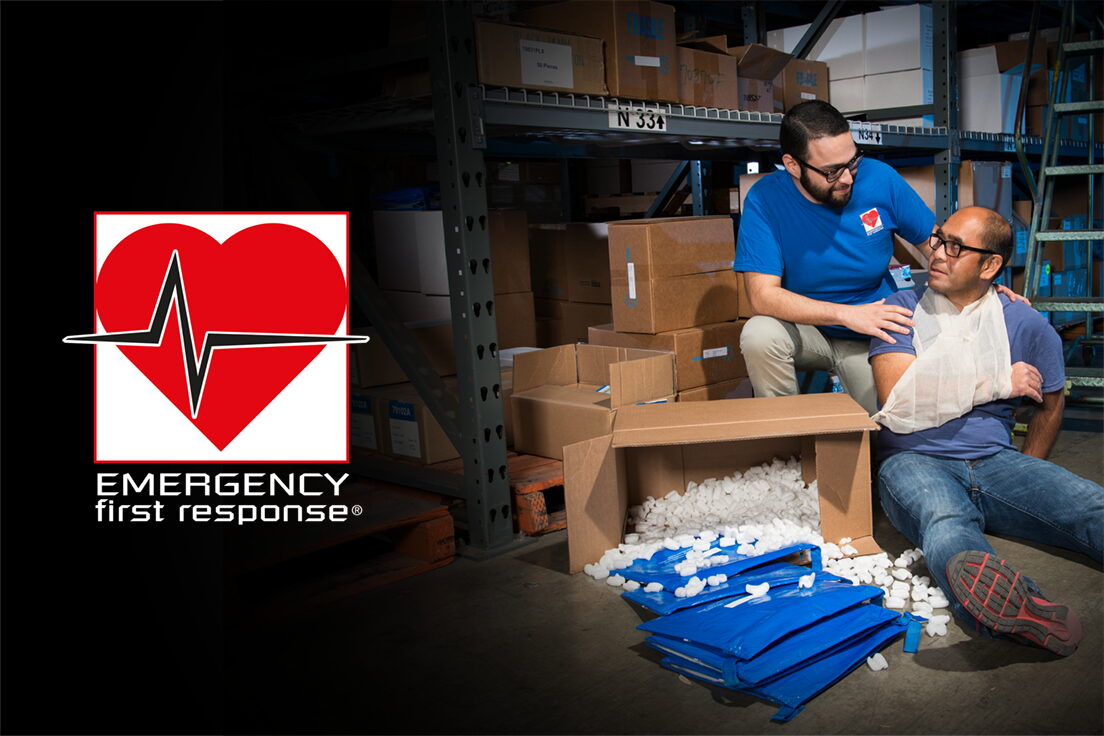
Learn how to assess common injuries and illnesses and provide appropriate first aid until professional medical assistance is available. Practise practical techniques including bandaging, splinting, and supporting suspected fractures and dislocations safely and effectively.
Day 1
Scenarios
Take part in realistic emergency scenarios designed to put your EFR knowledge and first aid skills into practice. Assess the situation, make appropriate decisions, and respond to different emergencies while building confidence in a safe and supportive training environment.
Why Choose CT Dive School

Unmatched Quality & Safety

Star icon
PADI 5-STAR IDC CENTRE
Top tier certification standard recognizing highest standards of diver training, safety and customer service.
Group of people icon
MAX 4 STUDENTS
We guarantee small groups per instructor to ensure close personal attention, optimal safety, and customized training.
Anchor icon
DIVERSE MARINE LIFE
Cape Town's unique temperate reefs feature ancient kelp forests, historic wrecks, playful seals and spectacular biodiversity.
Package box icon
ALL EQUIPMENT INCLUDED
No hidden costs. Premium wetsuits, regulators, masks, fins, and cylinders are fully included in the price.
Award ribbon icon
EXPERT INSTRUCTORS
Learn from highly experienced, certified ocean professionals who live and breathe Cape Town diving.
QUICK OVERVIEW

Key Highlights

Minimum duration 1 day
Preparing for the course via e-learning homework
Additional Scenario Training
Practical Application Session at the Dive Center
Course can be constructed around your schedule
Minimum age: 10 years old
Requirements

Course Prerequisites

10 Years Old
Be Reasonably Healthy
FAQ

Frequently Asked Questions

What is the Emergency First Response (EFR) course?

The Emergency First Response (EFR) course teaches practical CPR and first aid skills for responding to life-threatening and non-life-threatening emergencies. The course focuses on building confidence so you know what to do when professional medical help is not immediately available.

Do I need to be a scuba diver to take an EFR course?

No. EFR is open to anyone, whether you are a scuba diver or not. The skills are useful for everyday life, travel, work, outdoor activities, and diving.

Is EFR the same as a first aid course?

EFR includes comprehensive CPR and first aid training, with a strong focus on practical emergency response skills. The course covers both life-threatening emergencies and first aid situations.

Will I learn CPR on the EFR course?

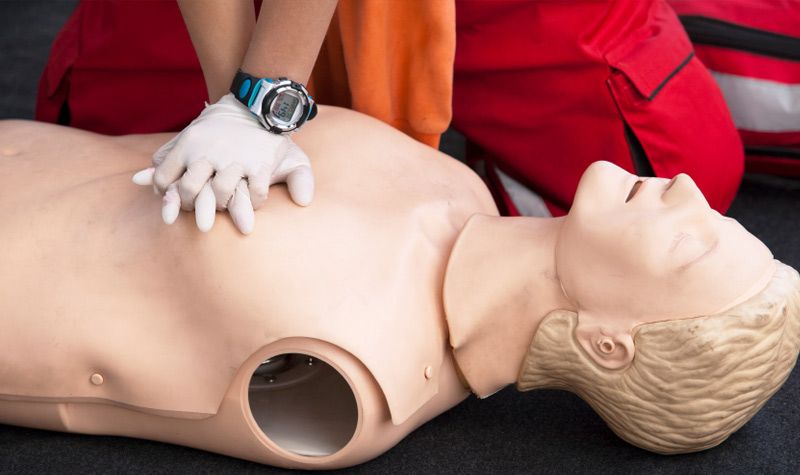
Yes. CPR is a key part of the EFR course. You’ll practise CPR and rescue breathing and learn how to respond to a cardiac emergency.

Is the EFR course practical?

Yes. The EFR course combines knowledge development with hands on skills and realistic scenarios. You’ll have opportunities to practice your response to different emergency situations in a controlled training environment.

Do I need previous first aid experience?

No. The EFR course is designed to teach the required skills from the beginning, so previous first aid or CPR experience is not normally required.

How often should I refresh my EFR skills?

Refreshing your CPR and first aid skills regularly is recommended so that your knowledge and practical skills remain current. Many divers refresh their EFR training every two years.

Is EFR required for the PADI Rescue Diver course?

Yes. A current Emergency First Response Primary and Secondary Care course, or qualifying first aid and CPR training from another recognised provider, is required for PADI Rescue Diver training.

Why should I take an EFR course?

EFR gives you practical skills and the confidence to respond to emergencies whenimmediate assistance is needed. Whether you're a diver, traveller, parent, outdoor enthusiast, or simply want to improve your first aid knowledge, the course provides valuable real-world emergency response skills.

Photo Gallery

Underwater Scenes & Diving Moments

Testimonials

What our divers say

My wife and I had a really great time diving with Into the Blue Cape Town in May. The gear you get is very good, including Scubapro Seawing Nova fins, 7mm wetsuits, gloves, boots, and even an extra vest to wear under the wetsuit. The water was quite cold at around 14°C, and since I normally only dive in tropical waters, I was a bit unsure at first. But with the gear provided, I was absolutely fine for the whole dive. My wife did shiver at the end of dives though. You could stop the dives at any time and one of the dive master would get you to the boat. We had an amazing time in the kelp forest and even saw a pyjama shark. On our first dive at North Paw, we were also lucky enough to see a seal right at the end of the dive, which was a really nice surprise. The whole day was very well organized and the service was excellent. Everyone was friendly, professional, and made us feel comfortable. Unfortunately, we had to leave for the Garden Route the next day, otherwise we would definitely have booked another dive with them. Overall, it was a really great experience, and next time I am in Cape Town, I will for sure dive with Into the Blue again. Highly recommended.
Smiling woman in a dive mask at the ocean surface, half above and half below the water
MK
Into the Blue took our family group of 10 out snorkelling and scuba diving. They were great in accommodating both the snorkellers and divers needs at the same time and keeping everyone happy. They went out of there way to make it such a special day, taking us to different sites and providing snacks and hot drinks after the dive /snorkel. Thank you so much ‘Into the Blue’! What a fantastic day!
Scuba diver with his head above the water in the ocean off Cape Town
Thurl Abrahams
Great experience diving today - double tank dives in the kelp was an incredible experience...especially with the seals! It was cold...so be prepared! But the kit was great quality, the safety briefings were perfect and the diving with James as our dive guide was brilliant. Thank you to the full team...if you are in Cape Town...dive it!
Person in a wetsuit holding a snorkel mask and fins on a boat
Alex James

Ready to dive into Cape Town?

Book a PADI course, fun dive or dive holiday with Into The Blue today.